The Linux app is just the desktop app, which doesn’t have the functionality that the Android and iOS apps do. It only works when paired with an Android or iOS device, so you’d still be shackled to those ecosystems without proper support for a mobile Linux app.
The Signal lead has been vocally against doing a fully fledged version for Linux for a while now. He really likes his closed ecosystems. “for security”
Desktop Linux is soooo insecure because users can access their own data.
Most of the chips in a smartphone are made by Qualcomm, both processors and peripheral chips like 5G modem, LTE modem, WiFi, and Bluetooth. Qualcomm chips require proprietary binary blobs to function, and usually only have a support lifetime of about 2 years. They also only supply those blobs to the manufacturer of the device.


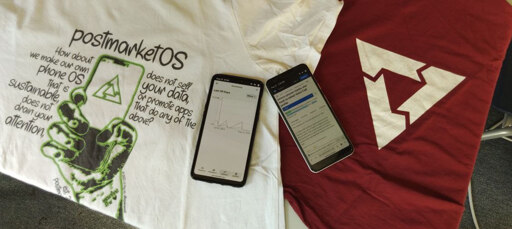
The sooner there is a rom compatible with most android devices, the better.
I’d be off Android so fast.
And Signal gets on board
They already have a Linux app, I can’t see them not making UI adjustments for Linux phones.
I’m also personally fine just using matrix but thats just me.
The Linux app is just the desktop app, which doesn’t have the functionality that the Android and iOS apps do. It only works when paired with an Android or iOS device, so you’d still be shackled to those ecosystems without proper support for a mobile Linux app.
The Signal lead has been vocally against doing a fully fledged version for Linux for a while now. He really likes his closed ecosystems. “for security”
Desktop Linux is soooo insecure because users can access their own data.
matrix lad myself… but
https://linuxphoneapps.org/apps/org.nanuc.axolotl/
oof
i know Flare is another client for Linux, which does adapt itself to window size so it should work on mobile
tho it can’t be used as a primary device easily (so you’ll need signal on another phone) and from past experience, the linking can be pretty iffy
Like 90% of the blame here goes to Qualcomm AFAIK :/
Why is that? (Genuine curiosity)
Most of the chips in a smartphone are made by Qualcomm, both processors and peripheral chips like 5G modem, LTE modem, WiFi, and Bluetooth. Qualcomm chips require proprietary binary blobs to function, and usually only have a support lifetime of about 2 years. They also only supply those blobs to the manufacturer of the device.
Now I wish we had riscV mobile phones too…
Pine64 I think said they’re making the next Pinephone when they can make it RISC-V.
Which either means they’re enthusiastic about the pace of RISC-V development, or they don’t want to make a new phone anytime soon.